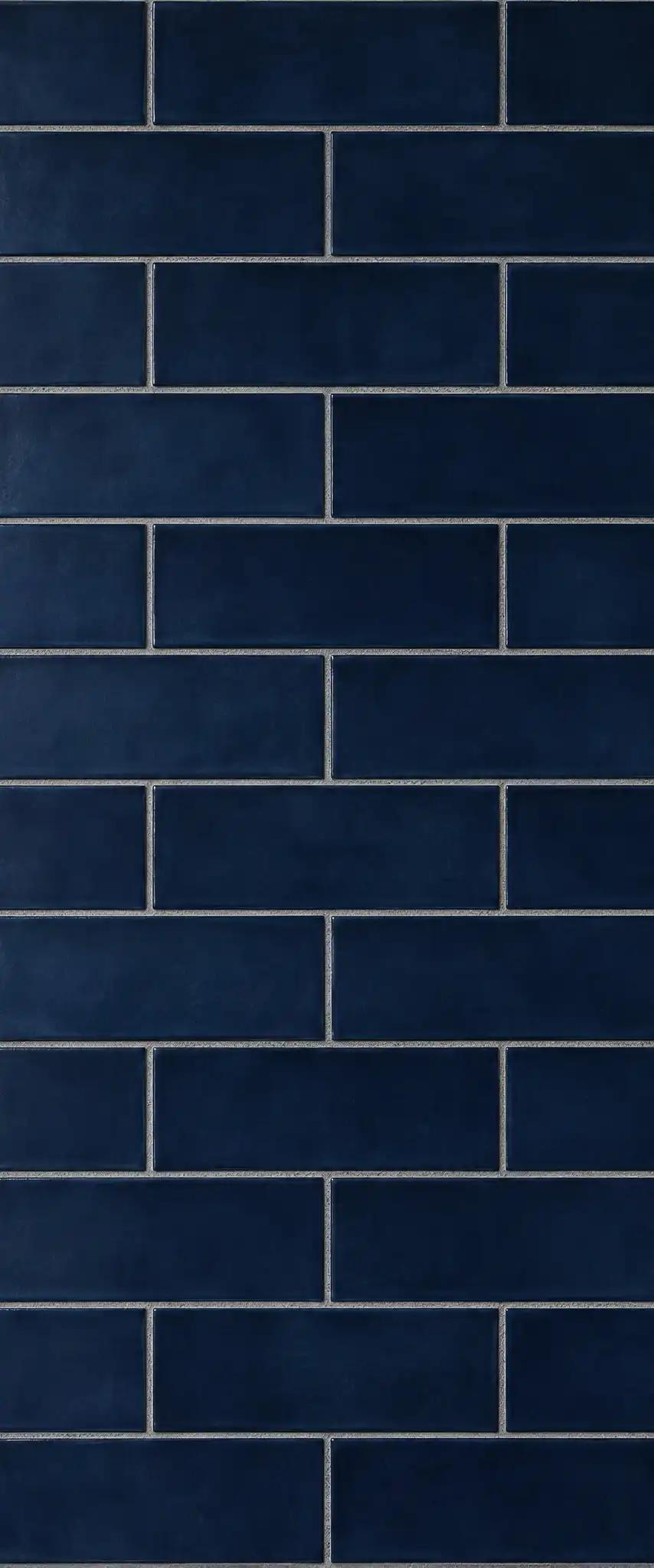
A tile showroom can be overwhelming, and the choices interact: tile size affects the pattern, the pattern affects waste, grout color changes the whole look, and the edge trim has to be ordered with the tile or the job stalls.
As installers, we see how those decisions play out on real walls and floors. Tile design help is part of every project we take on, and it starts at the estimate.
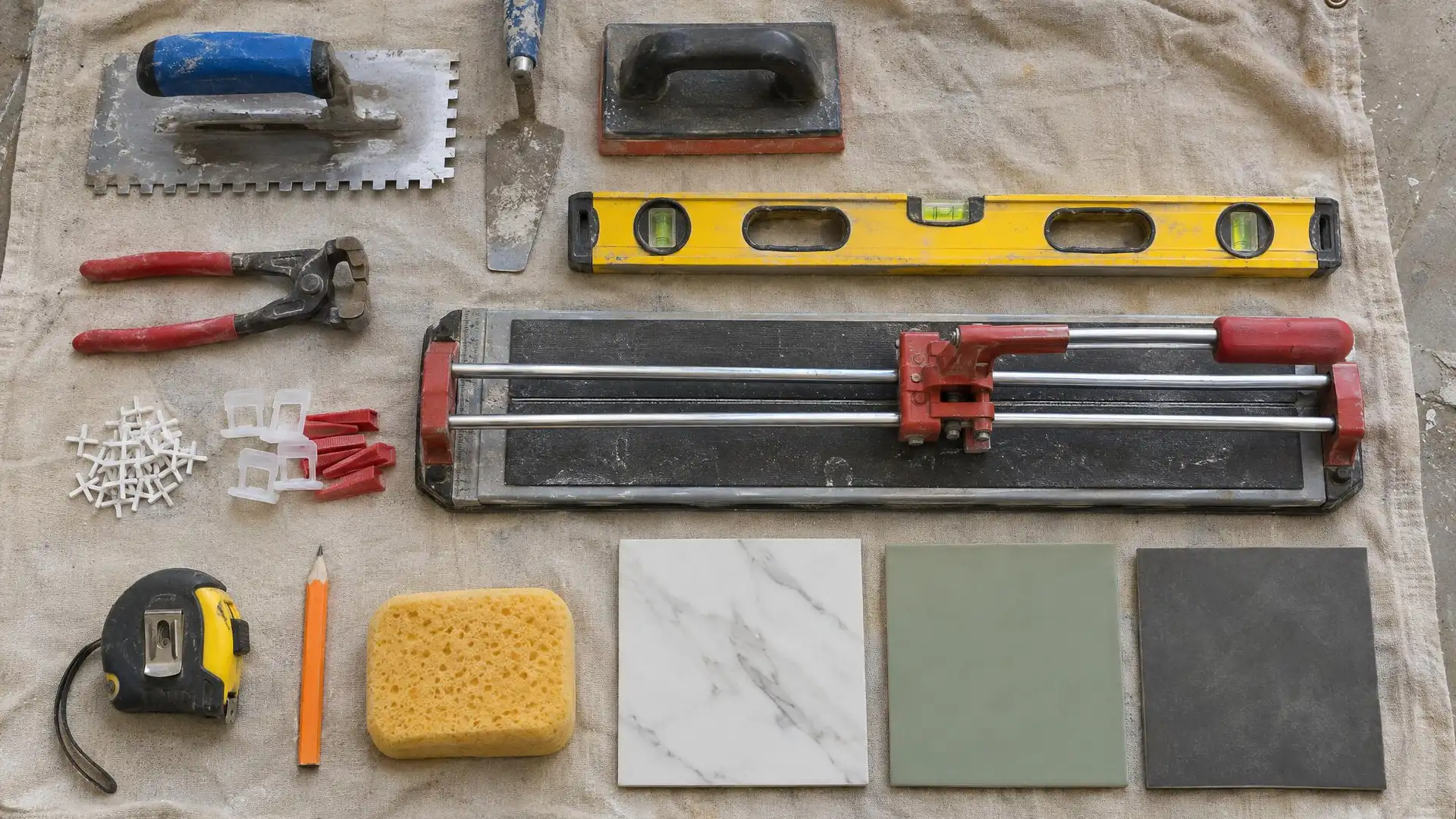
What We Help You Decide
These are the questions worth settling before you place an order.
- Which material suits the room: porcelain, ceramic, stone or mosaic
- Tile size and how it fits the dimensions of your space
- Pattern: stacked, offset, herringbone, basketweave or a mix
- Grout color and joint width
- Edge finish: metal profile, bullnose, mitered corners or stone
- Where features go: niches, benches, borders and accent bands
- How much to order, including the right overage for your pattern
Planning the Layout
We measure the room and work out where full tiles and cuts will fall. The aim is balanced cuts at both ends of a wall, no thin slivers at a ceiling or doorway, and grout lines that run cleanly through niches and around windows.
On walls we mark the layout in place so you can see it before anything is set. On floors we dry-lay a section. If a different starting point or pattern would look better or waste less, we show you both.
Choices That Affect Cost and Upkeep
Some tile is far more labor-intensive than it looks. Herringbone, small mosaics, handmade tile and natural stone all take longer to install than a rectified porcelain in a simple pattern. We explain those differences up front so you can put your budget where it matters to you.
We also talk about living with the tile: which finishes show water spots, which need sealing and which grout colors hide everyday dirt. For specifics see porcelain tile, natural stone and mosaic tile.
Need something else? Browse all tile services, or learn more about your local tile contractor in Arlington, VA.